Showing posts with label European union. Show all posts

Thursday, 2 November 2023

EU Shore Power Regulations Fall Short of Potential

EU Shore Power Regulations Fall Short of Potential

MSC Virtuosa connected to the Shoreside Power System  photo credit Spacejunkie2 (flickr)

The European Union (EU) is in a race to decarbonize the commercial shipping industry, and part of the strategy includes a requirement for ships to plug into shore power across the bloc’s ports. In line with the FuelEU Maritime Regulation and the Alternative Fuels Infrastructure Regulation, container and cruise ships over 5,000 GT must connect to shore power in the largest EU ports come January 2030.

The regulations have been hailed as critical measures in decarbonizing maritime transport, which accounts for three to four percent of total CO2 emissions in the EU. However, achieving shore power ambitions will be a herculean task. According to the International Council on Clean Transportation (ICCT), the bloc will only achieve a 24 percent reduction of at-berth CO2 emissions under the current setup.

The NGO contends that to achieve a 100 percent at-berth reduction in CO2 emissions, the forthcoming revision of both regulations should include a requirement for all ships greater than or equal to 400 GT to connect to shore power in EU ports. To achieve this, the EU will require nearly 1,929 MW of additional shore power installation to meet average at-berth annual energy demands, and 3,342MW for peak energy demand.

It also argues that boilers should also be retrofitted, electrified, or connected to shore power facilities, just like auxiliary engines, because they are responsible for 44 percent of all at-berth CO2 emissions. Boilers would require 36 percent of all needed shore power for ships berthing in EU ports.

The paper highlights that increasing the level of ambitions by including at-berth electricity demand for all ship types greater than or equal to 400 GT could reduce CO2 emissions by 42 percent. Adding more ports would help to avoid 58 percent of the total at-berth CO2 emissions.

Currently 51 ports in 15 EU member states are equipped with 340 shore power connectors, and Sweden, the Netherlands and Germany lead the pack. The current shore power network supplies around 309 MW, mostly for container, passenger and cruise ships.

Though cargo ships are the most common docking in EU ports, accounting for 43 to 46 percent, their energy demands are relatively low at 14 percent of the total. In contrast, despite their small absolute number in the fleet, the energy demand of cruise ships stands at 21-28 percent of the total. 

The largest additional shore power installations will be needed in Italy, Spain and France where energy demand cumulatively stands at 3,004 GWh, mainly due to high cruise ship traffic. Cruise ships alone in the three countries would account for 59 to 63 percent of shore power needed. 

Monday, 31 May 2021

Britain To Build A ‘National Flagship’ To Promote Maritime Trade

Britain To Build A ‘National Flagship’ To Promote Maritime Trade

A mocked-up image of what the new flagship might look like. Photo via Downing Street

Britain is to build a new flagship to promote its business and trade interests around the world, the government said on Saturday, in a move it said would also boost the ailing shipbuilding industry.

Britain said the ship, once built, would host high-level trade negotiations and trade shows, and the cost of the project would be confirmed once manufacturing contracts were tendered.

“This new national flagship will be the first vessel of its kind in the world, reflecting the UK’s burgeoning status as a great, independent maritime trading nation,” Prime Minister Boris Johnson said.

The government said it would be the first national flagship since HMY (Her Majesty’s Yacht) Britannia was decommissioned in 1997.

A flagship to promote global trade has long been advocated by proponents of Brexit, who highlight the possibilities for new free trade agreements now Britain has left the European Union.

Critics, however, point to disruption to trade with the EU, Britain’s biggest export market, following the country’s departure from the EU’s orbit at the start of the year. There has also been an impact on intra-UK trade from Great Britain to Northern Ireland.

The government said the name of the ship would be announced in due course. The Sunday Telegraph reported this month it would be named after Queen Elizabeth’s late husband Prince Philip.

Friday, 9 April 2021

Uk's High Price of PCR Tests UnCovered.

Uk's High Price of PCR Tests UnCovered.


The average cost of PCR Covid-19 tests in the UK is more than double the price charged in other European countries at £128 per person, 
according to research.

PCR tests are set to play a key role in the planned restart of international travel from 17 May, as laid out on Friday (9 April) by the government’s Global Travel Taskforce, with travellers required to take these tests after returning from even the lowest risk “green” countries under the planned new traffic light system.

But research by Abta and the Airport Operators Association found that PCR costs in the UK cost an average of £128 per person compared with an average of just £62pp across eight key European destinations.


The high costs of PCR tests are seen as a potential deterrent to holidaymakers booking international trips this summer, particularly for families and short-haul travel.


Mark Tanzer, Abta’s chief executive, said: “Travel to the lower risk, green categorised countries should be as unrestricted as possible. The requirement for a PCR test when you arrive back from a green list country could prove a cost-barrier for many people – we welcome the fact that the government commits to engaging with industry on this issue.


“Small changes, like requiring a PCR test only if the individual gets a positive result from a lateral flow test, would make international travel more accessible and affordable whilst still providing effective mitigation against re-importation of the virus.


“The government should also consider whether those who have been vaccinated can be exempt from testing requirements, should scientific evidence suggest reduced transmissibility.”


The UK government has now pledged to work to bring down the cost of Covid testing for leisure travellers ahead of the resumption of international travel this summer.


Karen Dee, chief executive of the Airport Operators Association, added: “The cost of testing could act as a significant barrier to the meaningful restart to aviation and should not be underestimated.


“With UK pre-departure and post-arrival tests costing around double the average in countries like Spain, Italy, Portugal and Greece, UK travellers are penalised for wanting to travel from the UK.


“Without a cost-effective solution like this, a summer holiday will be out of reach for many and damage an already badly hit aviation and travel industry even further.”


Thursday, 14 January 2021

How to Scrap a Cruise Ship and What They Go For

How to Scrap a Cruise Ship and What They Go For


As many as 13 cruise ships were reduced to scrap in 2020 – more than in the five preceding years combined.

The number of cruise vessels removed from the worldwide fleet in 2020 was so high that scrap yards have been struggling to keep up with the demand – especially when the vessels are registered in the European Union and, therefore, have to comply with stricter regulations.

According to Vagelis Chatziginnis, a senior trader at GMS Leadership (one such company that organizes ship scrapping), most of the vessel scrapping in 2020 took place in Turkey.

“We have seen a couple of units being sold for recycling in India already, but a couple of units is nothing compared to the numbers we've seen in Turkey so far,” Chatziginnis told Cruise Industry News. “Some of these larger cruise ships (are) being laid up in locations like Greece, for example, until more spaces are available to digest in Turkey.”

Scrap Values

Chatziginnis said the average scrap value in India is $400 per ton. In Turkey, the value is considerably less at $280-300 per ton. At the height of the pandemic, however, those values could be as low as $90 for EU-flagged ships.

“When the pandemic was at its peak – let's say around summer 2020 – and the first cruise ships started being scrapped, some of them were even getting double digits, like hardly $100 per ton, maybe $90,” he said.

The value can depend on various factors, such as the country where the facilities are located or whether the cruise vessel was registered in an EU country.

“If the vessel has to be recycled in compliance with a regulation of the European Union, you would probably be looking in Turkey for something like $200 per ton equivalent because of their very limited capacity of the yards, which are compliant with European regulations,” Chatziginnis explained.

“In the U.S., you have one facility that is approved in the European Union. So, the vessel could be recycled there, but it's a totally different market. You would probably be looking at something like $80 per ton, for example,” he added.

However, Chatziginnis said that steel prices globally have increased dramatically over the past few months and residual value has increased by nearly $100 per ton in each of the major ship recycling counties.

Process Organization

A role of a company like GMS is to organize the entire recycling process.

“So, ultimately the ownership and responsibility of the vessel would be transferred to the owning entity that would be buying the vessel. The cruise line has nothing to do anymore with the vessel. And thereafter, we are arranging the transportation from point A to point B,” Chatziginnis said.

“Let's say you're taking delivery of a cruise vessel and, let's say, from Piraeus.

So, from Piraeus in Greece, we put our crew on board, and we arrange for the unit to go to Turkey. We are (then) sending the unit to the recycling facility, and the recycling facility has to pay for purchasing the vessel to recycle in accordance with the standards that we're going to agree on,” he added.

GMS also vets the requirements of the original owner for regulations that need to be complied with and then guides them with how to proceed with the scraping in the best interests of the cruise industry.

“It sounds like it’s simple, but it isn’t always. Especially when you have to respect other regulations (like the EU ones),” Chatziginnis said.

What Holds

A record-breaking 46 cruise vessels could enter service in 2021: 30 ships that are set to debut and 16 more ships that were delivered in 2020 but have yet to enter revenue service.

With that many ships entering the scene, cruise lines have to be wary not to oversupply the market, said VesselsValue, a maritime data provider.

“A quick and confident return of demand is paramount for the industry to rebound; otherwise, we should expect to see further delays and removals in an attempt to balance things out,” VesselsValue’s cargo analyst, Guy Cooper, told Cruise Industry News.

The other sad consequence of the pandemic is that many relatively young cruise ships are getting scrapped.

“Look at the Marco Polo – it is a 55-year-old vessel … It has been operating for, like, more than 50 years now… And now, all the other major lines are scrapping all the vessels that were built in the 1990s and the 1980s. This is quite young for the normal industry in cruising in our understanding,” said Chatziginnis.

“I doubt that in the last decade, at least, or maybe even more than this, we have seen so many cruise ships being recycled in a year,” he added.


Sunday, 25 October 2020

From Warships to Wind Turbines: Spain Shipyard Eyes EU Aid in Pivot to Wind Power

From Warships to Wind Turbines: Spain Shipyard Eyes EU Aid in Pivot to Wind Power

FILE PHOTO: DJ Mattaar / Shutterstock

Spanish shipbuilder Navantia is stepping up its bet on offshore wind energy, a venture that stands to benefit from the European Union’s fiscal response to the pandemic.

The landmark 750 billion-euro ($890 billion) pandemic-recovery aid will encourage Spain to invest more in clean energy. That could galvanize the company’s recent pivot into sea-based power projects, said Managing Director Javier Herrador del Rio. With demand flagging for its military vessels, Navantia has branched into building the massive foundations for wind turbines that can stretch out of the water as high as a 50-story office building.

The comment underscores how companies across the EU are gearing up to take part in the bloc’s biggest-ever stimulus package. Europe’s leaders have said they want countries to spend a significant portion of the funds on making the regional economy more carbon-neutral. Navantia’s green projects might become a test case for the program.

‘Highly Cyclical’

Spain and Italy are poised to be among the largest recipients of the funds and both countries are hashing out details of how to spend the money. The fiscal jolt is an opportunity for the Spanish administration to start investing in offshore wind farms in the northern Galicia and Basque regions and in southern Andalusia, Herrador del Rio said.

Naval shipbuilding “is highly cyclical and even more so during such volatile times like we’re living through now – when we exit one crisis and then fall into another,” the managing director of Navantia’s Bay of Cadiz Shipyard said in an interview. Rocky economic times limited Spain’s ability to invest in new ships and forced state-owned Navantia into more manufacturing areas. The offshore wind became a strategic priority in 2018, he said.

The firm’s fortunes have ebbed since the 1980s when demand was high for made-in-Europe warships and oil tankers and the company employed about 40,000. While staff has since dropped to about one-tenth of that, it was still able to take on Saudi Arabia’s 2018 order of five corvettes for its navy, one of Navantia’s few major shipbuilding contracts in recent years.

Incipient Industry

While Spain was a global pioneer in solar and wind projects, the offshore wind-park industry is still quite young. Contracts Navantia has signed in the sector don’t generate nearly as much revenue as building submarines and aircraft carriers.

Overall, companies globally are operating about 30 gigawatts of offshore wind energy, said Imogen Brown, an analyst at BloombergNEF, an energy research firm. That’s a fraction of the 611 gigawatts of land-based wind projects, based on data through 2019, she said.

Most of the turbines are in the North Sea, off the coasts of the U.K., the Netherlands, Denmark and Germany. The strong winds and comparatively shallow seabed have allowed major players such as Denmark’s Bladt Industries and the Netherlands’ Sif Group to anchor what is known as “bottom-fixed” turbines to the ocean floor.

Navantia has received commissions for 10 projects since 2014, including orders to manufacture several dozen bottom-fixed turbines for Iberdrola’s 500-megawatt offshore wind farm in Brittany.

The Mediterranean Sea that borders much of Spain has relatively deep waters. That has pushed Navantia and other manufacturers, including Italian shipbuilder Saipem SpA, to shift their focus to floating wind turbines. But the technology is still incipient and there’s not a standardized design, Brown said.

“It’s only demonstration projects that have been commissioned so far,” she said. “We think bottom-fixed wind turbines will still be the driver in the market pre-2030.”

Europe’s increased funding for clean-energy projects will help to bolster investments in technologies to improve floating projects, Herrador del Rio said at the company’s Puerto Real shipyard near the Strait of Gibraltar, the strategic entrance to the Mediterranean from the Atlantic Ocean. That funding will eventually lead to building more wind farms off the Spanish coasts and in the Mediterranean Sea.

“Sooner or later it will become a reality,” he said. “I’m convinced.”


Monday, 27 July 2020

European Union cruise return guidance published

European Union cruise return guidance published

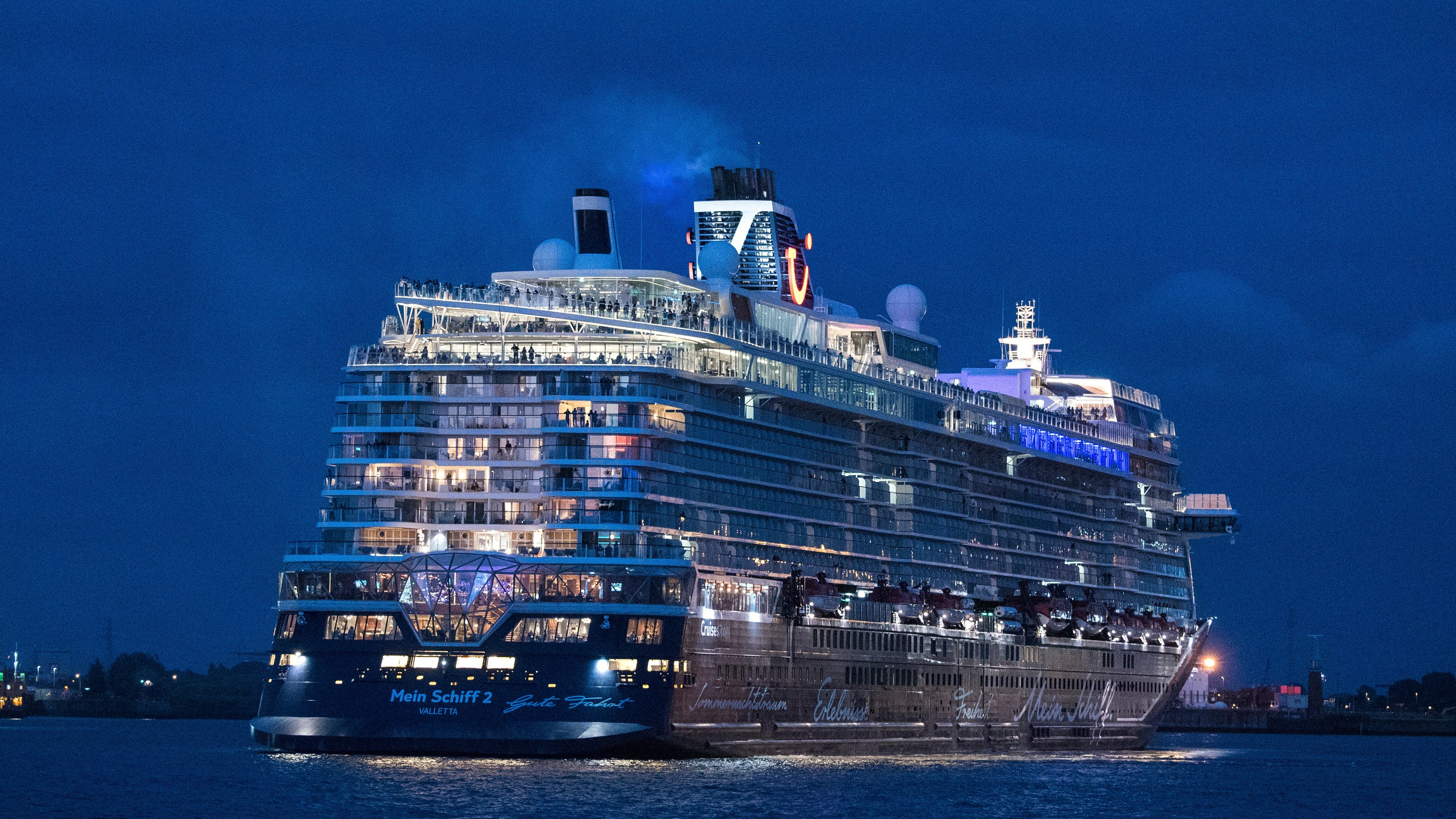
TUI Cruises' Mein Schiff 2 sails on return voyage with 1,200 people
Mein Schiff 3 returns to service

Cruise body Clia has welcomed the publication of the European Maritime Safety Agency (EMSA) guidance on the resumption of cruise ship operations in the European Union.

The 36-page document does not set a date for a return for cruising in the EU but Clia said member lines envisage a gradual, ‘phased-in’ approach to resumption.

The EMSA guidance provides recommendations relating to the development of ship and port management plans and the interaction between cruise operations and ports and terminals.

Co-authored with the European Centre for Disease Prevention and Control (ECDC), the EMSA guidance follows the recent publication of EU Healthy Gateways guidance on the resumption of cruise ship operations.

Viewed together, these guidance documents aim to establish a pan-European benchmark for national maritime transport and public health authorities for the future resumption of cruising in Europe.

Clia and its member cruise lines have been engaged in the development of the guidance, and lines are also identifying appropriate ‘door-to-door’ protocols based on evolving guidance from health authorities and medical experts that cover passengers from the time of booking their cruise to the holiday itself and their safe return home.

Tom Boardley, secretary-general of Clia Europe, said: “This guidance from the European Maritime Safety Agency is an important resource for authorities and operators focused on the safe resumption of cruising in Europe.”

In American waters, the US Centers for Disease Control (CDC) has implemented a No Sail Order to the end of September.

Thursday, 11 June 2020

Demands grow for 'green industrial revolution'

Demands grow for 'green industrial revolution'

Offshore wind farm
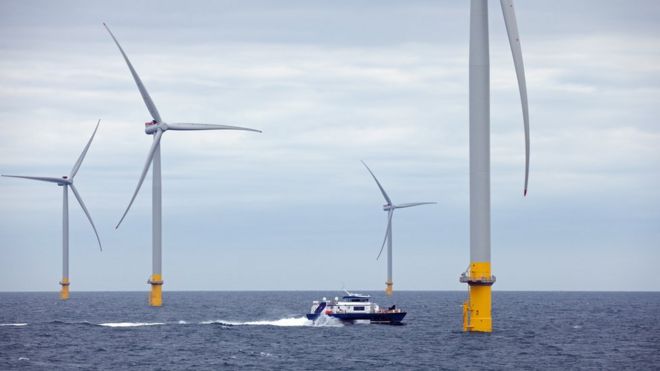
The document plans for a massive expansion in offshore wind

Greenpeace has joined a growing list of organisations demanding that the UK government puts protecting the environment at the heart of any post-COVID-19 economic stimulus package.
The campaign group has produced a detailed "manifesto" with measures to boost clean transport and smart power.
The document follows a comparable call from some of Britain's most powerful business leaders earlier this week.
Last week, the prime minister also expressed a similar ambition.
Boris Johnson said he wanted to see a "fairer, greener and more resilient global economy" after Covid-19 and that "we owe it to future generations to build back better".
The manifesto also contains measures to support the protection of nature, green buildings and the creation of an economy in which virtually everything is reused.
Greenpeace says the crisis has given Britain a "once in a lifetime" opportunity to transform life, travel and work.
It added that the plan would create hundreds of thousands of secure jobs.

Green business

On Monday, more than 200 chief executives of some of the UK's top firms - including HSBC, National Grid, and Heathrow airport - signed a letter to the prime minister asking him to use the Covid-19 lockdown as a springboard to "deliver a clean, just recovery".
Many people may be surprised how similar the recommendations of these two very different interest groups are.
  • Both Greenpeace and the chief executives are asking the government to prioritise investments in low carbon technologies and calling for the decarbonisation of the British economy to be speeded up
  • Both say they want to see a focus on sectors that best support the environment
  • Both are demanding that financial support for ailing businesses must come with a requirement for them to commit to taking action to reduce their impact on the environment.
Greenpeace's manifesto is, however, considerably more detailed.
It is a 62-page document with a specific policy, spending and tax measures covering most of the British economy.
It calls on the government to deliver its 2050 net-zero emissions goal before 2045.

Controversial policies

BikeImage copyrightGETTY IMAGES
Image captionThe manifesto contains measures to encourage clean transport
However, lots of the policies Greenpeace proposes would prove very controversial.
For example, motorists say they are ready to change their behaviour to improve air quality, according to a recent AA survey.
But many drivers may balk at Greenpeace's proposals to radically redesign the road network to favour walking and cycling, at the suggestion that petrol and diesel cars are banned by 2030 or that fuel duty is steadily increased.
Many homeowners might be reluctant to spend money to upgrade their properties to meet tough energy efficiency standards.
At the same time, many local communities are likely to resist the plan for a big increase in onshore wind and solar power to complement a proposed massive expansion of offshore wind farms - few things unite local communities like a proposal to put in an array of wind turbines.
Plastic bottles at recycling plantImage copyrightGETTY IMAGES
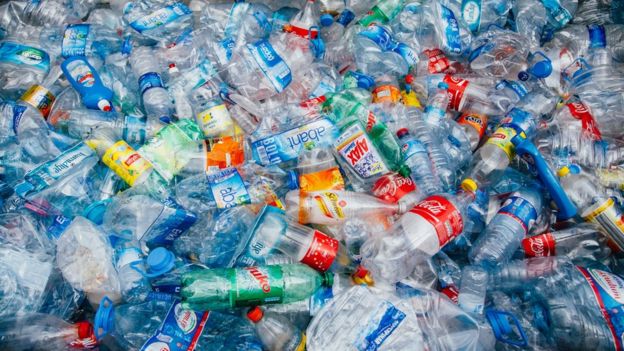
Image captionThe manifesto proposes the creation of an economy in which virtually everything is reused
But, says Greenpeace, tough policies like these are essential if the government is going to take meaningful action to tackle climate change.
"The choices our government makes now will define… whether or not we succeed in the fight against the climate emergency", says John Sauven, executive director of Greenpeace.
"If we fail to get this right, we may never get another chance. Now is the time for a green recovery, and for that, we need action, not words."
It says there would be huge dividends in terms of job creation, should its programme be adopted.
Greenpeace calculates that its plans would create hundreds of thousands of new high-skilled jobs as well as helping to level up inequalities between communities in the UK.

Unique opportunity

The UK government has already indicated that protecting the environment will feature heavily in any stimulus package.
Back in April, Boris Johnson said a post-COVID-19 recovery plan should include efforts to "turn the tide on climate change".
Meanwhile, the European Union has unveiled what it called the biggest "green" stimulus in history.
Last week, it said it planned to commit a whopping €750bn (£667bn; $841bn) to its recovery package.
Add in spending from future budgets and the total financial firepower the European Commission says it will be wielding is almost €2tn (£1.8tn; $2.2tn).
Fighting climate change is at the heart of the bloc's recovery from the pandemic.
There will be tens of billions of euros to make homes more energy-efficient, to de-carbonise electricity and phase out petrol and diesel vehicles.
The idea is to turbo-charge the European effort to reduce carbon emissions to net-zero by 2050.
"If we do not do it, we will be taking much more risk," Teresa Ribera, deputy prime minister of Spain, told the BBC.
"The recovery should be green or it will not be a recovery, it will just be a shortcut into the kind of problems we are facing right now."

Monday, 4 May 2020

Germany, Italy and Spain join calls for suspension of EU airline refund rules

Germany, Italy and Spain join calls for suspension of EU airline refund rules

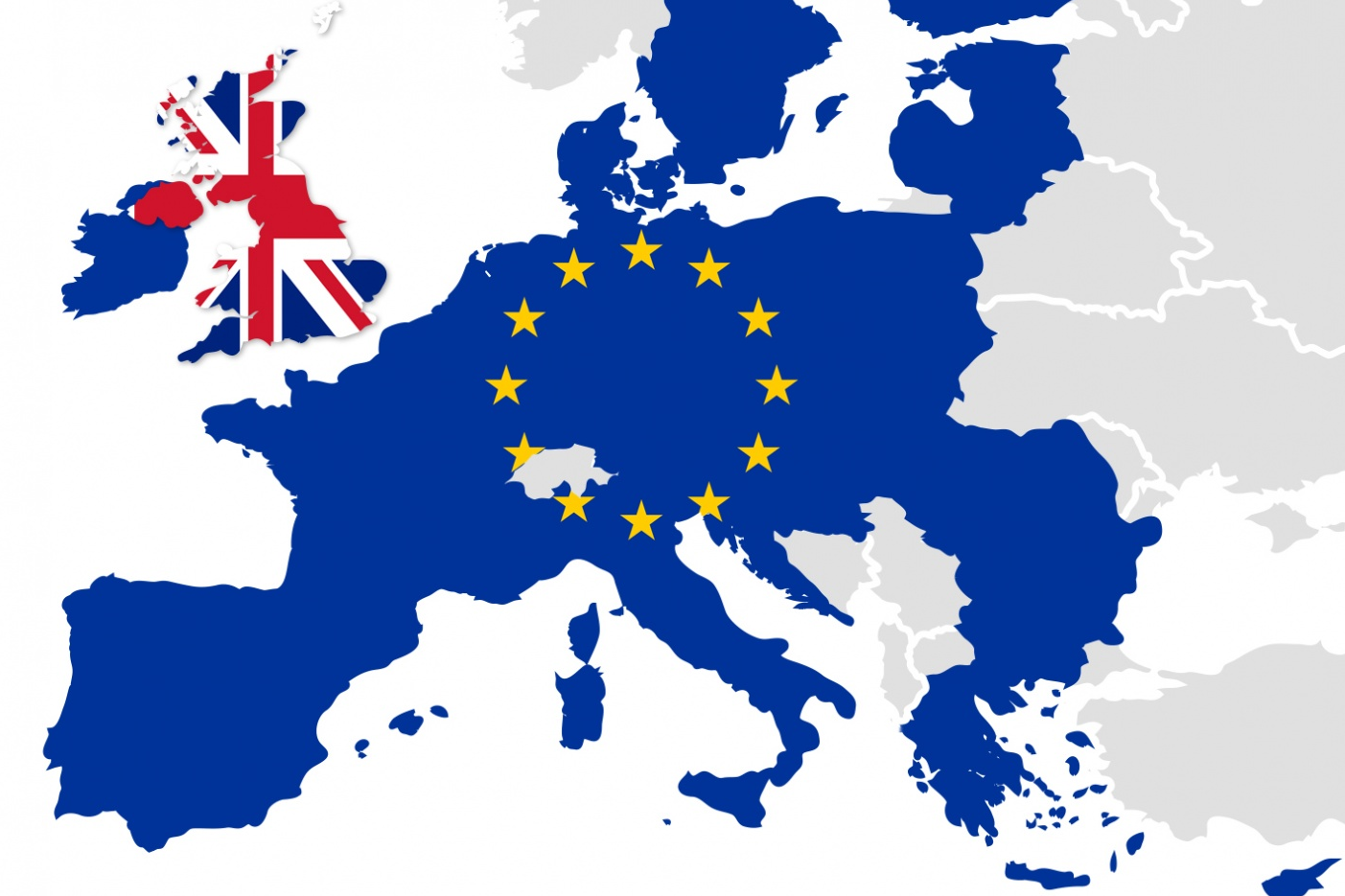
After the Brexit: Quo vadis, EU? | Heinrich Böll Stiftung ...

The governments of Germany, Italy and Spain have joined 12 others in the EU demanding a suspension of airline refund rules.

Under EU 261 denied boarding regulations, airlines must refund customers within seven days of a flight being cancelled.

However, many airlines are facing drastic liquidity issues and are unable to issue cash refunds within that time frame.

The European Commission has issued new guidance and sanctioned credit notes being issued instead of cash only when passengers accept them.

Last Wednesday 12 EU governments called on the union’s executive body to suspend the rules and yesterday Germany, Italy and Spain were reported to have joined them.

French transport minister Jean-Baptiste Djebbari said in a statement: “I’m glad a very large majority of member states are supporting my request to authorise airlines and maritime groups to temporarily use vouchers when trips are cancelled, so as to relieve their cash reserves while protecting passengers’ rights to a refund.”

Governments in favour of a temporary change in the rules have said vouchers should be valid for a set period and include the right to reimbursement if they are not used before the expiry date.

They also want to ensure that financial protection is provided in the case of airline bankruptcies.

Wednesday, 19 December 2018

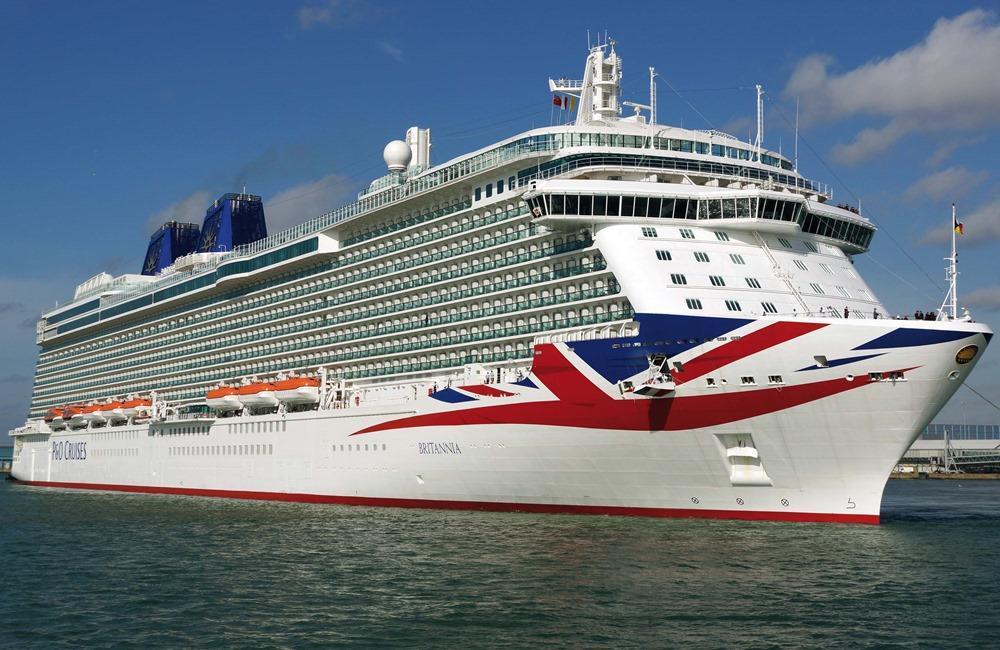
P&O Cruises issues Brexit reassurance

P&O Cruises issues Brexit reassurance

Image result for p&o britannia

P&O Cruises has issued a series of promises to its passengers in a bid to ease any fears over Brexit.

As uncertainty mounts over the UK leaving the EU, the line reminded passengers they will avoid foreign currency fluctuations due to onboard spending being in pound sterling.

P&O Cruises also reminded passengers that all cruises with the line will be protected by Atol and Abta.

P&O Cruises president Paul Ludlow said: “We want to reassure our guests that whatever is happening in the world of politics, their holiday and peace of mind is of the utmost important to us.

“Our Brexit promise is that no matter what the future brings, our guests can rest assured when booking a P&O Cruises holiday as they will always pay in pounds sterling in advance and can take advantage of a low deposit to secure their holiday.

He added: “Also, a P&O Cruises holiday offers unbeatable value as so much is included as standard including meals, entertainment, children’s clubs, flights and taxes.

“With sailings directly from Southampton and by choosing shore excursions in advance, our guests can explore Europe without the need for euros.

“In addition, the currency on the ships is pounds which covers all shopping, dining, drinks, indulgent treatments in the spa and a range of shops with favourite British jewellery, clothing and cosmetic brands. We also have the protection of both Atol and Abta.

“With over 180 years of P&O history and expertise, we guarantee to manage any potential impact on holiday plans and help our customers sail through Brexit and onto their next cruise.”

Thursday, 10 January 2013

Card transactions banned in the Vatican


Card transactions banned in the Vatican

By Gay Nagle Myers
Vatican St Peters SquareTourists headed to the Vatican's museums and shops now need cash for tickets and souvenirs. Credit and debit cards no longer are accepted.

The Bank of Italy decided to block electronic payments, effective Jan. 1, due to concerns that the tiny city-state has not fully complied with stringent European Union safeguards against money laundering. This means that Italian banks no longer are authorized to operate within the Vatican.

All ATM machines are being removed, and cash is needed at the ticket booths for admission to the Vatican's museums and guided tours. Souvenir shops will accept euros, dollars but no cards.

The ability to buy tours online using credit or debit cards will end on Jan. 15.